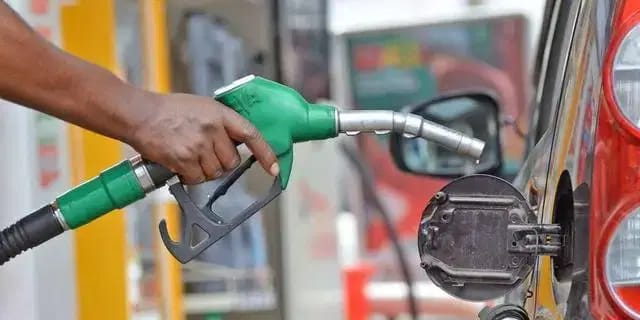
The Federal Government of Nigeria, through the Nigerian Midstream and Downstream Petroleum Regulatory Authority (NMDPRA), has assured Nigerians that prices of petrol, diesel and Liquefied Petroleum Gas (LPG) will continue to decline as supply rises and competition in the oil and gas sector expands, the Authority said on Sunday, January 25, 2026 during an inspection of energy facilities in Rivers State.
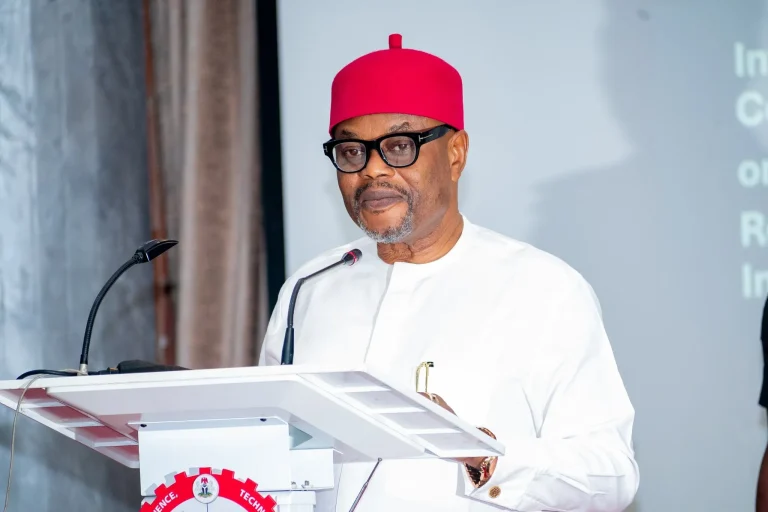
Addressing journalists in Ogbele community, Ahoada East Local Government Area, Mr Saidu Mohammed, Chief Executive of the NMDPRA, said that increased supply and sustained private-sector investment in the midstream and downstream sectors were driving price stability and downward pressure on energy costs nationwide.
He noted that petrol prices have already fallen from about ₦1,000 to around ₦800 per litre in some markets as competition intensifies.
The Authority’s remarks come amid broader changes in Nigeria’s energy landscape following the removal of the fuel subsidy, a major reform aimed at allowing market forces to determine pricing, improve supply reliability and attract investment across the oil and gas value chain.
Mohammed said that subsidy removal has enabled competition that supports lower energy costs.
He stressed that sustained competition, rather than subsidies, is critical to ensuring adequate supplies of petrol, diesel, LPG and other petroleum products at affordable prices for Nigerians. “The more supply we have, the lower the price, and this is already evident,” he said.
Mr Mohammed underscored the importance of expanding refining capacity and midstream assets to meet both domestic demand and future export aspirations.
He highlighted ongoing projects, including the expansion of facilities by Aradel Holdings Plc, which operates an 11,000 barrels-per-day refinery and gas distribution infrastructure, as examples of local capacity to build world-class energy infrastructure.
The NMDPRA chief said Nigeria aims to boost local production and refine petroleum products domestically, a strategy that could further reduce dependence on imports and support price declines.
He noted that increased deliveries of crude oil and petroleum products to state-owned refineries at Port Harcourt and Warri remain a priority to strengthen local operations and distribution.
Mr Mohammed recalled that the removal of the fuel subsidy — the Federal Government’s first major reform under President Bola Tinubu’s administration — unlocked private-sector participation and investment across the oil and gas value chain.
He said the policy shift has contributed to greater efficiency and supply reliability, which in turn supports downward pressure on energy prices.
Industry operators welcomed the policy direction. Mr Adegbite Falade, Managing Director of Aradel Holdings, said the company was committed to expanding refining capacity, commercialising gas and eliminating routine gas flaring, actions that could further enhance supply and help sustain falling energy costs.
The Government’s assurance that fuel and gas prices will continue to fall offers potential relief to households and businesses, which have faced elevated energy costs following subsidy removal and market restructuring.
Analysts say strengthening domestic supply and competition in the energy sector can help moderate inflationary pressures linked to transport and utility costs.
The NMDPRA has pledged to continue providing regulatory support and incentives to attract investment in midstream and downstream infrastructure, a move expected to further increase supply and accelerate the downward trajectory of energy prices.
Continued expansion of local refining and sustained competition remain central to the Government’s strategy for affordable energy in Nigeria.