

Political, traditional and civic leaders have delivered a mixed assessment of Nigeria’s Fourth Republic, highlighting areas of democratic progress alongside persistent governance, security and rule‑of‑law challenges that they say must be addressed to strengthen the country’s democratic project.
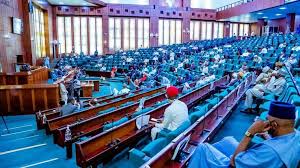
The observations were made at the 23rd Daily Trust Dialogue, held in Abuja on Thursday, January 22, 2026, under the theme “Nigeria’s Fourth Republic: What Is Working and What Is Not.”
Speakers at the forum said the Fourth Republic’s key accomplishment is its uninterrupted civilian rule since 1999, a milestone that has fostered a level of political stability unseen in previous republics.
Former Senate President Dr. Abubakar Bukola Saraki, who chaired the event, urged panelists to focus on constructive dialogue rather than political agendas as they analyse democratic gains and setbacks over the past 26 years.
Participants noted several achievements of Nigeria’s democratic era, including civilian supremacy over the military, institutionalisation of elections and the judiciary, and an increasingly active civil society and media that hold leaders accountable.
These gains, they said, have broadened civic space and helped sustain democratic continuity.
However, traditional and political figures also underscored significant shortfalls that hinder the Republic’s transformative potential.
Insecurity and Governance Gaps: Oba Rashidi Ladoja, the Olubadan of Ibadanland, warned that Nigeria’s insecurity remains prolonged and pervasive, asserting that no region feels truly safe and emphasising that security challenges undermine the ability of democracy to deliver dividends to citizens despite sustained civilian rule.
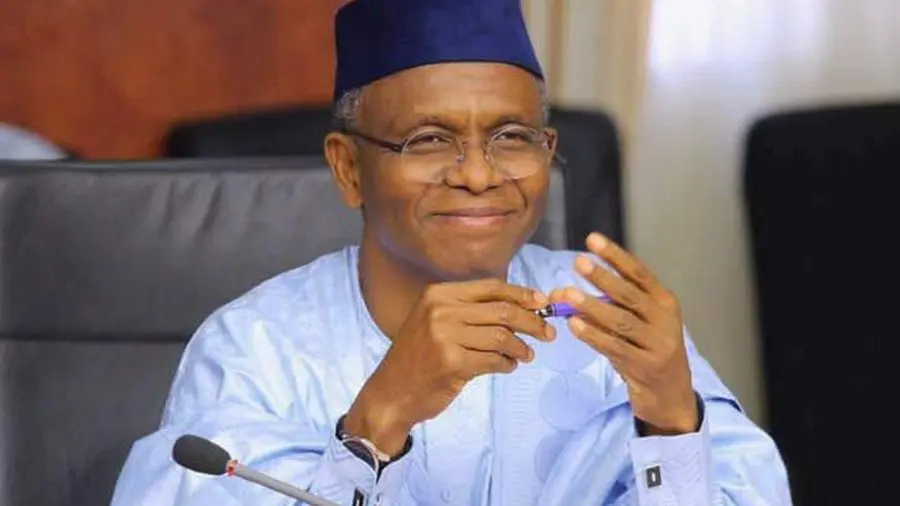
Rule of Law and Civil Liberties: Former Kaduna State governor Nasir El‑Rufai criticised the country’s justice system, saying that arrests and detentions without due process, selective prosecutions, and perceived political uses of law enforcement weaken public confidence in institutions and erode democratic trust.
He argued that a democracy cannot thrive where accountability is inconsistent and legal protections appear compromised.
Accountability and Institutional Weaknesses: El‑Rufai also raised concerns about selective enforcement of anti‑corruption measures, asserting that members of the ruling party often evade scrutiny while opponents face disproportionate legal action.
He said that uneven application of the law contributes to public cynicism and weak governance.
Speakers at the dialogue urged reforms to strengthen Nigeria’s democratic foundations and rebuild public trust. They called for:
Judicial and electoral reforms to ensure credible, independent institutions;
Accountability mechanisms that apply equally to all political actors;
Enhanced security strategies that protect citizens and uphold the rule of law; and
Broader civic engagement to deepen democratic participation.
Representatives from major political parties also engaged in the discourse. Nentawe Yilwatda, national chairman of the All-Progressives Congress (APC), affirmed his party’s support for democratic institutions and inclusive dialogue, noting that the conversation around the Fourth Republic reflects a shared national interest in institutional strengthening.
While Nigeria’s Fourth Republic has sustained democratic governance for more than two decades, dialogue participants agreed that structural and governance reforms remain imperative.
The forum closed with calls for renewed commitment from political leaders, civil society and citizens to address structural flaws, expand democratic gains and ensure that democracy delivers tangible improvements to the lives of all Nigerians