

The Federal Government of Nigeria and the Academic Staff Union of Universities (ASUU) have sealed a comprehensive agreement aimed at ending years of recurring strikes and systemic disruptions in the public university system, marking what stakeholders describe as a new dawn for Nigerian universities.
The accord was unveiled at a ceremony in Abuja on Wednesday, January 14, 2026, following prolonged negotiations.
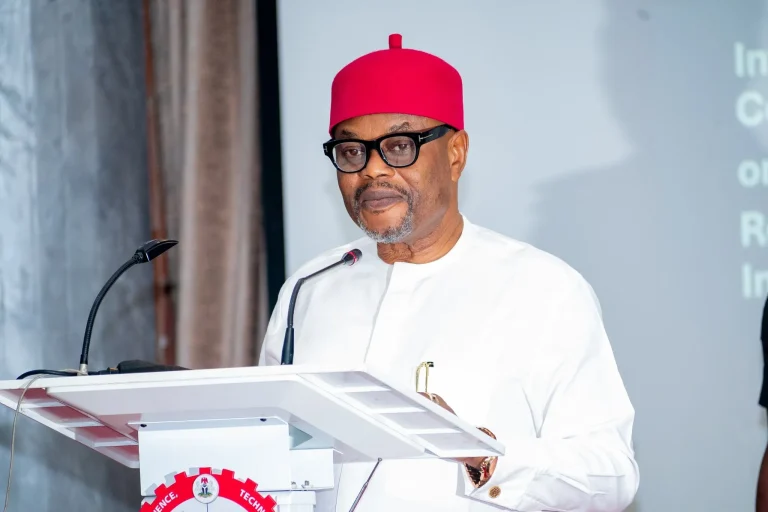
According to the Minister of Education, Dr. Tunji Alausa, the agreement reflects sustained political will and proactive engagement by the Federal Government to address longstanding structural issues in public higher education.
He said the new pact symbolises “renewed trust, restored confidence, and a decisive turning point” in efforts to stabilise academic calendars and strengthen the quality of instruction.
For more than 16 years, negotiations between successive governments and ASUU have stalled repeatedly, with agreements signed, partially implemented or abandoned, leading to frequent industrial action that paralysed Nigeria’s public universities and disrupted the lives and studies of millions of students.
The latest agreement replaces the 2009 framework that had been the focal point of unresolved disputes and marks the first significant breakthrough credited to sustained intervention by the Bola Tinubu administration.
Government and union leaders both affirmed that the pact demonstrates a commitment to dialogue over discord and systemic reform.
At the centre of the new arrangement is a 40 percent upward revision in salaries and emoluments for academic staff in federal universities, approved by the National Salaries, Incomes and Wages Commission (NSIWC) and effective from January 1, 2026.
The revised structure incorporates the Consolidated University Academic Staff Salary (CONUASS) with an enhanced Consolidated Academic Tools Allowance (CATA) to support research, publications, conference participation and other professional necessities.
The pact also restructures nine Earned Academic Allowances, linking them clearly to defined duties such as postgraduate supervision, clinical responsibilities, examinations and leadership roles.
Under the new terms, Professors will receive N1.74 million annually, while Readers will receive N840,000 annually as part of the newly introduced Professorial Cadre Allowance.
Beyond financial terms, the agreement addresses broader systemic reforms, including university autonomy, academic freedom, transparent appointment processes for leadership roles, and enhanced funding mechanisms for research and development—measures seen as critical to breaking the cycle of shutdowns and stagnation.
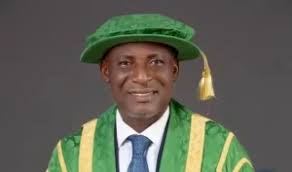
ASUU President Professor Chris Piwuna described the agreement as the product of a struggle that began years earlier and survived multiple failed renegotiation efforts, noting that the new framework addresses service conditions, funding deficits, and structural deficits in Nigeria’s academic system.
He emphasised that sustained implementation will be essential to restore confidence and reposition universities for national development.
However, union leaders also highlighted ongoing concerns about the fragility of university autonomy and the need to guard against arbitrary interference in institutional governance, including the appointment of vice-chancellors and governing councils.
Education stakeholders have welcomed the agreement as a significant step toward ending decades of disruption in Nigeria’s tertiary education sector.
If faithfully implemented, the pact is expected to improve industrial harmony, strengthen academic productivity, enhance research output, and create a more predictable academic calendar for students and families.
The successful signing of the 2025 FG-ASUU Agreement signals a potential turning point for public universities in Nigeria.
Authorities and union leaders have pledged continued collaboration to ensure full implementation, protect gains in academic welfare and autonomy, and rebuild confidence in the country’s higher education system.