




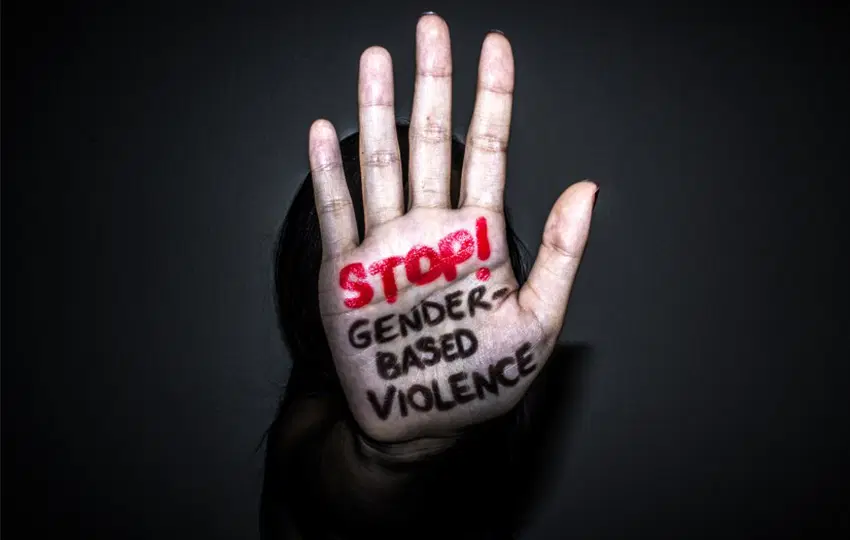
70% female 30% male students suffer GBV in Nigerian tertiary institutions, a national survey has disclosed, revealing the widespread nature of gender‑based violence on campuses.
The findings were presented at a media briefing in Lagos State University during a programme commemorating International Women’s Day 2026.
The National Campus Climate Baseline Survey on Sexual Harassment in Tertiary Institutions, organised by the Committee of Gender Studies Directors in Nigerian Universities with the Alliance for Africa, covered 12 universities across the country.
Acting Director of the Centre for Response and Prevention of Sexual and Gender‑Based Violence (CRPSGBV), Prof. Igot Ofem, presented the survey results at the event themed “Rights, Justice, Actions for All Women and Girls.”
According to the survey, 70% female 30% male students suffer GBV in multiple forms while attending higher education institutions.
The data show that a substantial majority of female students have reported experiencing at least one form of gender‑based violence on campus, with a significant proportion of male students also affected.
Prof. Ofem explained that sexual harassment and other forms of gender‑based violence encompass unwanted sexual advances, coercion, rape, verbal abuse, and physical intimidation.
She said the findings indicate “serious and pervasive challenges” that impact students’ academic performance and personal wellbeing.
The survey is the first of its kind conducted nationally, bringing together data across diverse regions, institutional profiles, and student demographics.
Institutions that participated included federal, state, and private universities, reflecting a cross‑section of the tertiary education sector in Nigeria.
Experts and gender advocates noted that the high prevalence rates reflect broader patterns identified in academic research on gender‑based violence in educational settings.
Such research highlights that campus environments can be vulnerable to harassment due to cultural norms, power imbalances, and inadequate reporting or support mechanisms.
Prof. Ofem emphasised that the survey data will support policy development and targeted interventions to prevent gender‑based violence.
“The objective is to develop evidence‑based strategies that institutions can adopt,” she said, adding that university administrators, student unions, and civil society groups must collaborate to strengthen protective frameworks and reporting systems.
The implications of 70% female 30% male students suffer GBV are significant for national education policy.
Gender‑based violence undermines equal access to education, contributes to psychological trauma among survivors, and can lead to dropout or academic setbacks.
Research shows that unsafe environments may disproportionately affect women’s long‑term career prospects and participation in academic life.
Advocates called for universities to increase counselling services, strengthen disciplinary measures, and adopt clear institutional policies that protect students.
They also urged the federal government to accelerate the adoption of legal frameworks, such as the Senate’s Sex‑For‑Grades Prohibition Bill, to criminalise exploitation and hold perpetrators accountable after due process.
Student leaders reacted to the survey results with concern. Representatives from student unions across participating universities described violence as a barrier to academic engagement and student welfare.
They pledged to work with administrators to increase awareness campaigns and support structures on campuses nationwide.
The national survey’s publication during International Women’s Day highlights the urgency of addressing gender‑based violence in educational institutions.
Ongoing efforts are expected to focus on prevention, victim support services, data‑driven policy reforms, and enhanced accountability mechanisms to make campuses safer for all students.